
Michigan State University College of Osteopathic Medicine - MSUCOM
East Lansing, Michigan
Main Campus
East Lansing, Michigan Detroit, Michigan
Additional Locations
General Information
Established in the U.S. over 130 years ago, the osteopathic medical profession educates Doctors of Osteopathic Medicine (D.O.s) who are licensed to practice all aspects of medicine and surgery in all 50 states, and numerous countries world-wide. D.O.s graduate from a college of osteopathic medicine and complete subsequent specialty training in residency programs and fellowships in hospitals, community health centers or other clinical settings. D.O.s have always utilized a holistic approach to providing medical care, an approach that seeks to first preserve health, and when necessary, treat disease.
Given these progressive tenets, the state of Michigan was particularly welcoming to osteopathic physicians. As a result, in 1965, Michigan D.O.s, obtained a charter to establish an osteopathic medical school in the state. In 1969, the Michigan legislature enacted Public Act 162, specifying that “A school of osteopathic medicine is established and shall be located as determined by the state board of education at an existing campus of a state university with an existing school or college of medicine.” Subsequently, the charter was transferred to the Michigan State University (MSU) Board of Trustees and the college was relocated to MSU’s East Lansing campus in 1971 becoming only one of two MSU colleges established by legislative decree.
With that act, Michigan State University College of Osteopathic Medicine (MSUCOM) became the first-ever university-based osteopathic medical school, a singular and profession-defining achievement that propelled the rapid expansion of the entire osteopathic profession nationally. Today, more than 25% of all U.S. medical school graduates are now graduating from one of 42 osteopathic medical schools nationwide.
Since 2009, the MSU College of Osteopathic Medicine has annually matriculated ~300 medical students into its three sites – MSU’s East Lansing campus, the Detroit Medical Center in Detroit, and the Macomb University Center in Macomb County. In 2024, 99% of our college’s graduates placed into a residency, with 46% of graduates entering primary care specialties and 76% of all graduates entering residencies in the state of Michigan.
Indeed, over 25% of the currently licensed and actively practicing physicians in the state of Michigan are D.O.s, with the majority of these D.O.s also being alumni of the MSU College of Osteopathic Medicine. Similarly, the majority of physicians currently practicing in MSU’s health clinics (via MSU Health Care) are faculty and/or alumni of the MSU College of Osteopathic Medicine.
Moreover, despite not being the oldest nor largest medical school in Michigan, the MSU College of Osteopathic Medicine has more physician alumni practicing in Michigan than any other medical school in the state. Furthermore, over 2,400 alumni of the college are currently practicing in critically needed primary care specialties in Michigan, which is greater than all primary care alumni from the other six Michigan medical schools combined. Additionally, MSUCOM has the largest number of its alumni practicing in medically underserved areas, with around 1,400 alumni – nearly matching the total number of physicians practicing in underserved areas who are alumni of the six other Michigan medical schools combined. To translate this impact to people, more than 1.7 million individuals residing in Michigan's rural areas, and over 4.3 million Michiganders currently residing in Primary Care Health Professional Shortage areas are receiving care from D.O. alumni of the MSU College of Osteopathic Medicine.
The economic impacts of our college are equally amazing. Extrapolating from an American Medical Association (AMA) study, MSUCOM alumni physicians practicing in Michigan alone generate over $8.2 billion in economic output, create over 24,000 jobs coupled with over $5.4 billion in associated wages, salaries and benefits, and generate over $600 million in state and local tax revenues annually.
Additional Locations
Additional Locations offer the same programs as the main campus. Use the main campus' application to apply to additional locations.
MSUCOM in Clinton Township
Affiliation
Address
Campus Setting
Website https://osteopathicmedicine.msu.edu/
Phone
Admissions
Phone
Email com.admissions@msu.edu
Website https://osteopathicmedicine.msu.edu/future-students/why-msu-college-osteopathic-medicine
MSUCOM in Detroit
Affiliation
Address
Campus Setting
Website https://osteopathicmedicine.msu.edu/
Phone
Admissions
Phone
Email com.admissions@msu.edu
Website https://osteopathicmedicine.msu.edu/future-students/why-msu-college-osteopathic-medicine
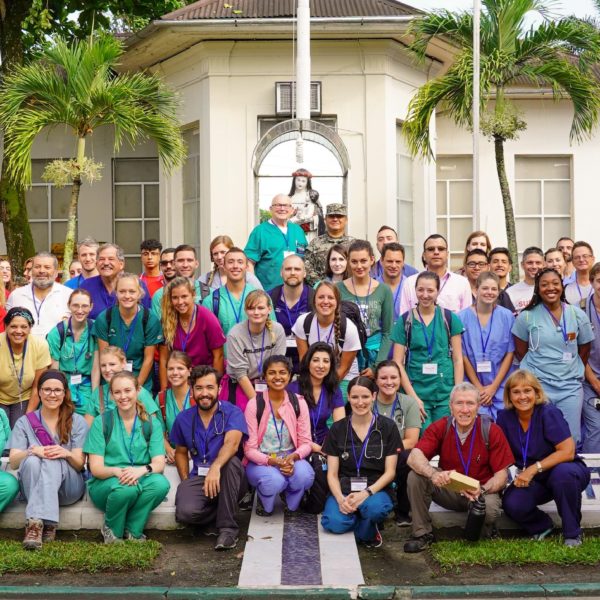
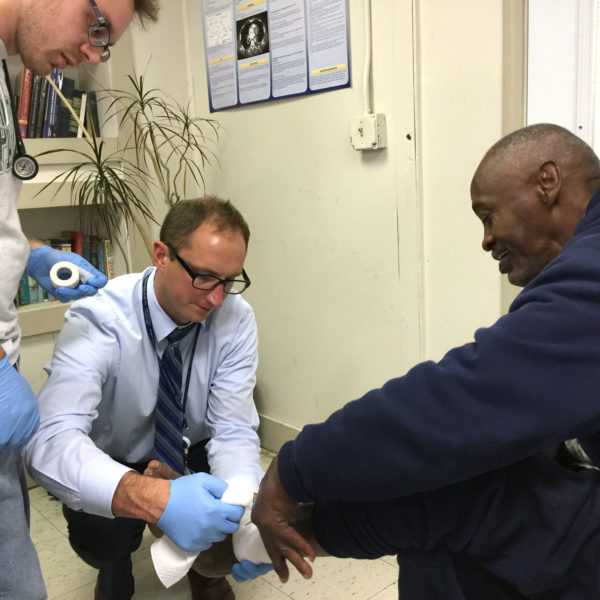
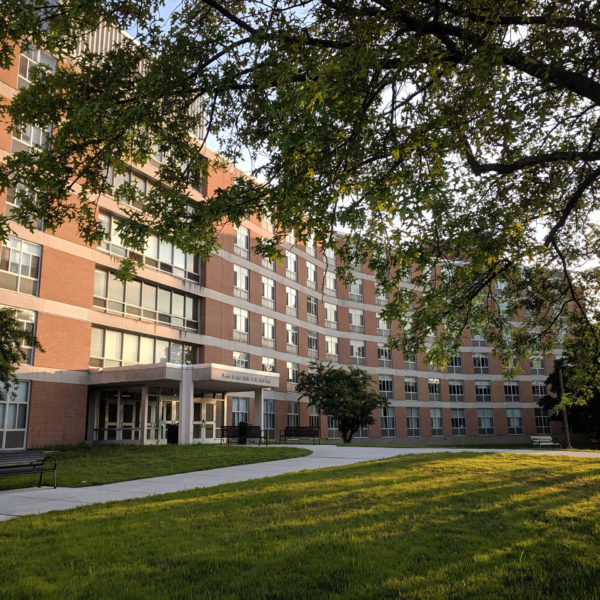
Mission Statement
Closest City Two suburban settings in East Lansing, MI, and Clinton Township, MI, and one urban setting in Detroit, MI.
Campus Setting
SuburbanFacilities
The 5,200-acre East Lansing campus of Michigan State University includes gardens, museums, performing arts and sports facilities and working farms. The area hosts a wide variety of musical events and festivals, offers monthly gallery walks, and has several active community theater groups.
The DMC site is located on the campus of the Detroit Medical Center in “midtown” Detroit, surrounded by several tertiary care hospitals and the Barbara Ann Karmanos Cancer Center. Within two blocks you find the Detroit Public Library, Detroit Institute of Arts, three museums, and the Detroit Science Center.
The Macomb University Center site is within a 20-mile radius of seven hospitals which offer 600 osteopathic intern and resident positions. Macomb County has 31 miles of shoreline, 130 parks, more than 35 golf courses, and numerous restaurant and shopping opportunities.
Student Residence Options
The Michigan State University College of Osteopathic Medicine offers a rigorous curriculum designed to prepare students for successful, meaningful careers in medicine. But academics are only part of the experience. We are equally committed to fostering a vibrant, supportive community where students can grow personally and professionally through dedicated mentors, engaged peers, and enriching programs.
Involvement outside the classroom is more than encouraged—it is fully supported. With more than 30 active student organizations, there are countless opportunities to explore your interests, build leadership skills, serve the community, and connect with classmates who share your passions.
Medical school is incredibly rewarding, but it can also be demanding. We recognize that personal and professional challenges are a natural part of the journey. That is why the college prioritizes the physical, mental, and emotional well-being of every student. Comprehensive wellness and counseling services are available at all three campus sites, along with accessible academic counselors who are committed to helping students thrive every step of the way.
COM Accreditation Status The Michigan State University College of Osteopathic Medicine is accredited by the Commission on Osteopathic College Accreditation (COCA) and by the Higher Learning Commission of the North Central Association of Colleges and Schools.
University Affiliation(s) Michigan State University
-
2024-2025
Academic Year Enrollment
Total Medical School Enrollment
MSUCOM-755 Clinton Twn-205 Detroit-243
Total Male
MSUCOM-350 Clinton Twn-97 Detroit-99
Total Female
MSUCOM-404 Clinton Twn-107 Detroit-144
Total Other
MSUCOM-1 Clinton Twn-1 Detroit-0
First-Year Matriculants
MSUCOM-281 Clinton Twn-TBA Detroit-TBA
First-Year Male Matriculants
MSUCOM-122 Clinton Twn-TBA Detroit-TBA
First-Year Female Matriculants
MSUCOM-159 Clinton Twn-TBA Detroit-TBA
First-Year Other Matriculants
MSUCOM-0 Clinton Twn-TBA Detroit-TBA
Matriculants In-State
193
Matriculants Out-of-State
88
Self-Reported Race/Ethnicity
American Indian/Alaska Native
0%
Asian
31.7%
Black/African American
3.2%
Hispanic/Latino
6.8%
Native Hawaiian/Pacific Islander
0%
White
43.4%
Multiple Races
3.6%
Undisclosed
6.4%
Majors of First-Year Matriculants
Science Majors
88.6%
Non-Science Majors
11.4%
Graduate Degrees
9.3%
Overview
Public Institution
Non-Profit
Michigan State University
Institutional Affiliation
1969
Year Founded
Suburban
Campus Setting
Campus Contact
Michigan State University College of Osteopathic Medicine - MSUCOM
Address
(517) 355-9616
Phone
Website
Admissions Office
Students may enroll in one of three different sites during their first two years. First year classes begin in mid-June with an intensified gross anatomy class. Our pre-clerkship program in years one and two integrates basic sciences, clinical skills and systems biology.
A state-of-the-art human simulation laboratory and standardized patient assessment program provide opportunities to build clinical skills and the preceptorship program for second year provides early clinical exposure. For the Clinical Clerkship Program in years three and four, students are assigned to one of more than 25 affiliated base hospital training sites in Michigan.
Clinical rotations begin July 31 of the third year. Elective courses and global health opportunities provide additional avenues to build competency and to individualize the medical education experience.
Clerkship/Clinical Rotations
Michigan State University College of Osteopathic Medicine provides flexibility, breadth, and meaningful opportunity for training across the full spectrum of modern clinical care. Through a statewide network of hospitals and health centers, third- and fourth-year students complete clinical rotations in diverse settings that reflect both urban and rural practice. Clerkship—encompassing the third and fourth years—marks the transition from classroom-based learning to hands-on patient care.
The experience begins with Transitions II, a preparatory course designed to equip students with the knowledge, skills, and professional readiness needed to begin clinical rotations with confidence. During the third year, students complete the majority of their required core rotations at one of the College’s affiliate base hospitals located throughout Michigan’s lower and upper peninsulas.
Immersed in their base hospital communities, students gain direct patient care experience across required disciplines while building professional relationships within their health systems. In addition to core rotations, students complete elective rotations that allow them to further explore and refine their areas of interest. Electives may be pursued within or outside the Statewide Campus System, in both surgical and non-surgical specialties. Students may also use elective time for research or international rotations, broadening their clinical and cultural perspectives.
To complement experiential learning, the College developed the innovative Core Clinical Concepts (C3) program to further strengthen clinical reasoning and skills development. C3 combines online self-directed preparation with in-person instruction at each student’s base hospital. The curriculum is organized around symptom-based topics that integrate perspectives from multiple specialties, reinforcing the comprehensive approach central to osteopathic medicine.
As a community-based medical school, the College partners with hospitals across Michigan—many of which are members of the GME Alliance—to provide robust clerkship education. Students select or are assigned to a base hospital for their clinical years and are expected to complete their required core (R2) rotations there.
In addition, students complete a minimum of 12 weeks of selective rotations at their base hospital and/or other affiliated partner institutions. Through this statewide model, students graduate prepared to enter residency training in primary care or any medical or surgical specialty with confidence, competence, and a strong professional network.
Dual Degrees/Concurrent Programs Offered
DO/MBA
Joint DO/MBA Doctor of Osteopathic Medicine Master of Business Administration.
DO/MPH
Joint DO/MPH-Joint degree in conjunction with the Michigan State University Program in Public Health.
DO/PhD
DO/PhD majors in Biochemistry and Molecular Biology, Cell and Molecular Biology, Epidemiology, Genetics, Medical Anthropology, Microbiology and Molecular Biology, Neuroscience, Pharmacology and Toxicology, Philosophy/Bioethics, Physiology and the interdepartmental program in Environmental Toxicology. Program purpose is to prepare select students for careers in biomedical research and academic medicine.
Premedical Coursework
Courses below are shown as either Recommended or Required and, when applicable, include the number of semester hours needed.
Anatomy
RecommendedBiochemistry
Required3 semester hours
Biology/Zoology
Required8 semester hours
Chemistry (Inorganic)
Required8 semester hours
Chemistry (Organic)
Required5 semester hours
Genetics
RecommendedImmunology
RecommendedMicrobiology
RecommendedPhysiology
RecommendedCollege English
Required6 semester hours
Admissions
MSUCOM looks for students who are academically accomplished, committed to service and well-versed in the philosophy of osteopathic medicine. In each area of evaluation, we examine your accomplishments within the context of your total life experience.
Much like DOs approach their patients, we invite you to tell us your story. We use a rolling admission schedule. Early application is essential. Applicants must be prepared to begin classes by mid-July.
Interview Options: Virtual interviews only
Physician letter required? N/A; no physician letter required
Virtual Shadowing Options? Will not require any shadowing
Accepts online coursework to fulfill prerequisite requirements? Yes
Accepts prerequisite coursework pass/fail grades? Yes
Will your institution waive MCAT exam requirements? No
Accepts online lab coursework? Yes
Primary Application Service: AACOMAS
Earliest Application Submission Date: May 4, 2026
Primary Application Deadline: December 1, 2026
Submission Timing for Best Consideration
First Year Class Matriculant's Selection Factors
The admissions team evaluates applications based on several criteria deemed important to the mission of the college, including but not limited to: academic success, MCAT performance, exposure to the osteopathic profession, professional and community service experience, personal testimony and letters of evaluation.
International Students Accepted? Accepts International Students
Michigan State University policies can be found at https://oiss.isp.msu.edu.Are Deferred Action for Childhood Arrival (DACA) students considered for admissions? Yes
Application Interview Format: Traditional
Early Decision Program (EDP)
EDP Offered? No
EDP Applications Submitted To AACOMAS
Supplemental Application
Supplemental Application Required? Yes
Supplemental application includes short essays and non-academic information.
Earliest Supplemental Application Submission Date: June 1, 2026
Supplemental Application Deadline: February 1, 2027
Supplemental Application Sent To: All Applicants
Supplemental Application Fee: $100
Supplemental Application Fee Refundable? No
Supplemental Application Fee Waiver Available? Yes
AACOMAS waiverOrientation/Start Date for First Year Students
February 2, 2222
Deferred Entrance Requests Considered? Yes
Please update the orientation/start date ABOVE as soon as availableAcceptance/deposit deadlines conform to the AACOMAS Traffic Guidelines Schedule? Yes
Osteopathic Medical College (COM) applicants may be asked to submit necessary matriculation documents, including a deposit, according to the following AACOMAS traffic guideline schedule:
- Those accepted prior to November 15 to have until December 14.
- Those accepted between November 15 and January 14 to have 30 days
- Those accepted between January 15 and April 30 to have 14 days.
- Those accepted on or after May 1 may be asked by the accepting COM for an immediate deposit.
- After May 1 of the year of matriculation, each COM has the discretion to implement COM-specific procedures for accepted students who hold one or more seats at other COMs.
Mean MCAT Score
506.7
Avg. Cum. Undergrad GPA Score
3.75
Oldest MCAT Considered: December 31, 2023
Latest MCAT Score Accepted: December 31, 2026
Accepted Sources for Letters of Recommendation
- AACOMAS
Main Admissions Contact
(517) 353-7740
Phone
Tuition, Fees & Financial Aid
2025-2026 Academic Year (waiting on 2026/2027 figures)
In-State Tuition
$43,776
Out-of-State Tuition
$61,838
Annual Fees
In-State Resident Fees
$82
Out-of-State Resident Fees
$82
Health Insurance Fee
$2,759
Tuition Fees Include
Estimates, Deposits, and More
Estimated Annual Room Board, Books, and Living Costs
$32,794
Average Graduate Indebtedness
$270,480
Acceptance Deposit
$500
Additional Deposit
$0
Deposit Applied to Tuition? No
Deposit Refundable? No
Financial Aid Website https://finaid.msu.edu/default.asp
Percent of Enrolled Students with Financial Aid TBA%
Scholarships Offered? Yes
Annual Scholarship/Grant Per Student: $TBA