
Enriching Medical Education with Research
Published October 27, 2026
Research Stories Research Stories Report Page
Research encompasses a broad spectrum of activities, from laboratory science and clinical trials to quality improvement initiatives and community-engaged inquiry. These activities provide medical students with numerous opportunities to pursue projects that align with their interests and passions. This blog helps students identify areas of research that interest them and outlines steps for getting involved in opportunities with research at their school.

Research Aligned with What Matters Most
Today, the nation is seeking innovative, affordable and effective solutions to improve health and well-being. Research provides curious medical students with opportunities to help their patients live healthier lives.
Colleges of osteopathic medicine (COMs) are uniquely positioned to conduct research that draws upon the foundational values of osteopathic medicine to address the nation's most pressing health challenges. Alongside these values, COMs are concentrated in the very regions and populations that can most benefit from innovations in medical care—expanding opportunities for health in communities and clinical settings that are often underrepresented in traditional academic medical centers.
Through this unique perspective, the osteopathic community is well suited to advance research in holistic and primary care, rural and underserved areas and osteopathic manipulative treatment.
For students, this means that the research they participate in at COMs is not abstract. It is connected to the distinctive features of osteopathic medicine, the health challenges facing their communities and the issues they may encounter during clinical training and future practice.
Michael Megafu, DO, MPH, has long valued research as a powerful tool in medicine to inform treatments, validate our clinical algorithms and continually improve care.
“Beyond advancing scientific knowledge, research fosters curiosity, lifelong learning and a deeper understanding of the diseases and patients we encounter. It also creates opportunities to collaborate with different partners, which, in addition to knowledge of pathology, offers us greater insight into the unique needs, values and experiences of the patients we serve,” Dr. Megafu shared.
“As osteopathic physicians, we are trained to view patients through the lens of body, mind and spirit, recognizing that effective healthcare extends beyond treating a diagnosis alone. Research strengthens this philosophy by helping us understand all the factors that influence health and disease. For this reason, I believe research should be a cornerstone of our daily practice as medical professionals and an integral part of every medical student's development,” Dr. Megafu explained, highlighting the valuable skills he has cultivated through research: critical thinking, intellectual humility and collaboration.
"Scientific inquiry will not only make you a better physician but will also open doors to mentorship, leadership, innovation and lifelong opportunities to shape the future of medicine. The next breakthrough, improved treatment or transformative idea may begin with a single question, and research provides the pathway to its discovery,” Dr. Megafu shared noting the role that research played in his own career from his medical training, while earning his Master of Public Health in epidemiology and biostatistics and now, as he completes residency in orthopedic surgery.
Regardless of the direction a future physician's career may take, engagement in scholarly inquiry cultivates critical thinking, intellectual rigor and curiosity, qualities that define excellent physicians.
Improving Patient Care
Osteopathic medical education has long emphasized a holistic, patient-centered approach to care, and this philosophy naturally extends to research and inquiry.
The most impactful research is conducted in partnership with the communities it aims to serve. A student drawn to health equity may find that research provides the analytical framework to understand and address structural disparities. A student interested in emergency medicine may discover that quality improvement projects serve as an effective vehicle for redesigning clinical workflows. A student passionate about family medicine may pursue patient-centered research that deepens understanding of the communities they hope to serve.
After attending a lecture on adverse childhood experiences (ACEs), Hannah Elford, OMS-IV, PGY-1, began to think differently about what research looked like. Fascinated by the discussion, Hannah was inspired to learn more about how trauma from childhood could impact health in adulthood. She worked with the lecturer to conduct a research project analyzing the correlation between ACEs and recovery outcomes at a men's substance use recovery center in Spartanburg, South Carolina, and found that high trauma scores did not determine whether participants would graduate from the program.
For Hannah, this finding fundamentally altered how she engages with patients. "I learned you can never limit someone's potential to heal based on what they've been through. And that perspective goes with me in every single room, and it always will," she explained.
Beyond transforming her clinical mindset, the project opened doors Hannah never anticipated. She learned to apply research skills to a topic she was passionate about, connected with biomedical faculty, sharpened her skills in navigating the Institutional Review Board process and communicated her findings with diverse audiences.
Hannah's story shows that research does not exist apart from patient care, it grows directly from it. The questions that arise during clinical rotations, community health engagements and even classroom discussions are often the seeds of meaningful scholarly work and direct opportunities to improve health.
Professional Growth and Practice-Ready Skills
Beyond producing publications, research accelerates professional development by training medical students to think and work the way effective physicians do.
Research can help medical students shape questions that research can address, understand different methodologies, interpret results responsibly and recognize limitations and bias in evidence. Over time, that process strengthens diagnostic reasoning, refines clinical judgment and improves the ability to explain risks and benefits to patients using clear, evidence-based language.
Research also expands career opportunities by cultivating transferable skills. Working with mentors and interdisciplinary teams helps students gain competencies in data analysis, writing reports and communicating with diverse audiences—from clinical staff and community partners to faculty reviewers and health system leaders. Importantly, research prepares students for the realities of modern practice in a rapidly evolving field in which clinicians are expected to implement new evidence, technologies and guidelines throughout their careers.
By engaging with research as a medical student at The University of New England College of Osteopathic Medicine, Benjamin Kaphan, DO, was able to build confidence in understanding data and using those insights to improve shared decision making with his patients.
“I’ve always been interested in learning, and the idea of broadening knowledge in the medical field has always appealed to me. The biggest value I got from [my early] projects was learning about what research entails. I learned about the resources available to me through my great mentor. I learned how to refine a research question and became a statistician. I really had to steer the ship in a way I hadn’t experienced before. The chances that I continue doing research in my career are high, now that I’ve become more comfortable with research. When I see data, I know how to explain what it means for my patients to help them make healthcare decisions,” Dr. Kaphan shared.
These competencies serve physicians throughout their careers, across every specialty and practice setting. As evidence evolves, physicians with research skills have the tools and mindsets needed to thrive.
Advancing Change
For students who want to improve health beyond their immediate community, research is one of the most direct ways to influence the conditions that make health possible. High-quality care is not only delivered in the exam room but is also supported by the policies and systems patients rely on.
When research supports a change, such as a new screening protocol, a revised care pathway, a targeted community partnership or a coverage decision, it can be adopted by health systems, inform state and federal priorities that ultimately shape care for millions of Americans.
Clinicians who can build and interpret evidence are better positioned to represent their patients in discussions about health regulations and access to care.
At the New York Institute of Technology College of Osteopathic Medicine at Arkansas State, Brookshield Laurent, DO, is the founding executive director of the Delta Population Health Institute (DPHI). Her program addresses health insecurity in the greater Mississippi Delta region and uses research-based evidence to help improve the lives of their community members.
Federal support through a U.S. Department of Agriculture Delta Health Care Services Grant enabled the college to launch and equip their mobile health clinic, the Delta Care-A-Van, bringing free preventive care, health screenings, telehealth services and health education directly to underserved communities across the Mississippi Delta. By leveraging public investment and community partnerships, the Delta Care-A-Van expands access to care for rural residents while providing hands-on training opportunities for future osteopathic physicians committed to improving population health.
The Rural Health Transformation Program funds will allow DPHI to respond to the constraints of transportation for mothers and children in rural communities in the Delta through providing maternity health focus mobile health visits and establish a rural transportation system to meet medical care needs, with a complete interdisciplinary team.
DPHI, in partnership with the Arkansas Department of Human Services, is designing a system of care for mothers and children who are eligible for Medicaid from preconception to readiness of kindergarten. This innovative intervention will integrate state-level, evidence-based clinical practices and high touch coordination with local assets to address social determinants of health. Pilot results will inform and impact state policies for Medicaid beneficiaries who live in rural communities and beyond.
Physicians make a difference in their patients' lives every day and have the capability to expand their impact, well beyond the clinic through advocacy. These programs demonstrate how policy can create sustainable pathways for medical schools to address health disparities and strengthen the well-being of the communities they serve.
Getting Started
Curiosity is a foundational first step toward developing impactful research. Anyone who has wondered ‘why’ or ‘how’ when learning about treatment in the classroom or hearing from a patient in the clinic has the makings of a researcher. Having a unique perspective, the ability to think about problems differently and engaging with people from various communities or backgrounds is a valuable asset for conducting research. Where curiosity generates the questions, the research process helps uncover answers, insight and understanding.
Mentorship and institutional support are also critical for students navigating the research landscape for the first time. Faculty advisors, clinical preceptors and experienced peers can help students gain competence and confidence at all stages of research, from refining their research questions, identifying best practices and even securing funding. Faculty have a diversity of expertise, allowing students to find mentors whose interests and work closely align with their own. Your advisors can guide you through your own research project or help you join an existing project you are interested in.
Quality Improvement as an Accessible Entry Point
Students interested in making a direct impact on their community's health through research may wish to consider quality improvement (QI) projects, an accessible approach that is relevant to clinical practice. QI initiatives focus on driving rapid, practical improvements in patient care and clinical workflows, such as streamlining screening protocols, reducing wait times or enhancing the cultural responsiveness of care delivery.
These projects are often team-based, situated in real clinical environments and are designed to produce measurable outcomes within a relatively short timeframe. They encourage students to be open-minded and analytical—to continuously assess needs, question existing processes and seek evidence-informed solutions. Importantly, QI work reinforces core tenets of osteopathic medicine, including community engagement, continuity of care and a commitment to treating the whole person.
At the Ohio University Heritage College of Osteopathic Medicine (OU-HCOM), Sharon Casapulla, EdD, MPH, serves as director of the Rural and Urban Scholars Pathways (RUSP) program and supports students leading QI projects through the Continuity in Family Medicine Elective. “Real meaningful change can happen in clinics and in communities ... [and] a QI approach to a problem can reveal specific and relevant areas to target intervention. Testing those interventions will help physicians be efficient with their time and resources and develop effective solutions,” said Dr. Casapulla.
Medical education seeks to prepare physicians who are not only clinically skilled but also intellectually curious, community-minded and committed to advancing health. Research, in all its forms, is a vital part of preparing competent physicians who understand, evaluate and apply evidence to help their patients live healthy lives.
Resources
What Incoming Students Should Know About Research Research:
- Supports diverse career paths, including advocacy, bench science and health system improvement.
- Encourages students to ask meaningful questions that support patient outcomes.
- Provides mentorship and infrastructure to turn curiosity into action.
- Emphasizes community engagement and whole person care, core tenets of osteopathic medicine.
Search our directory of COM research to find mentors or projects you would like to connect with.
| ||
Join AACOM’s network for physician-scientists, DO/PhD program directors and trainees.
Explore funding for ideas advancing OME through innovative, evidence-based or collaborative approaches. | Learn more about physician scientists, their career pathways and training programs.
Learn more about available grants, loan repayment opportunities, tips for proposal preparation and more. | Join the AACOM Council for Researchers and help coordinate medical education and research for future physicians. Recognize innovation that strengthens OME from teaching and learning to |
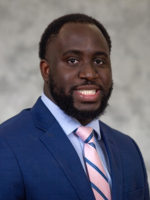 Michael Megafu, DO, MPH, is a PGY-2 orthopedic surgery research resident at the University of Connecticut (UConn) Health Center. He earned his Doctor of Osteopathic Medicine degree from the A.T. Still University Kirksville College of Osteopathic Medicine, where he received the prestigious National Student Doctor of the Year award and became the institution’s first student to be named both Student Doctor of the Year and Student Researcher of the Year simultaneously. He also obtained a Master of Public Health in Epidemiology and Biostatistics from SUNY Downstate Health Sciences University, graduating with honors. Dr. Megafu completed his undergraduate education at St. Joseph's University in Brooklyn, NY, where he earned a Bachelor of Science in Biology with a minor in Chemistry with honors. His academic and research interests include orthopedic trauma, sports medicine, arthroplasty outcomes, injury epidemiology, artificial intelligence in healthcare and diversity within orthopedic surgery. He has authored numerous peer-reviewed publications and national presentations and remains committed to advancing musculoskeletal care through clinical excellence, research innovation and surgical education.
 Hannah will be completing her family medicine residency at Spartanburg Regional. She will complete her Doctor of Osteopathic Medicine degree from the Edward Via College of Osteopathic Medicine - Carolinas Campus in Spartanburg, SC this year and earned a BS in cellular, molecular, physiological biology from Christopher Newport University in 2021. While completing her undergraduate degree, Hannah explored her interest in medicine, serving as an emergency medical technician in Blacksburg, VA and as a preoperative aide for three years at a Bon Secours Mercy Health Hospital. During her medical education, Hannah gained early clinical experience supporting free medical clinics through VCOM-Carolina's mobile medical unit program. To date, Hannah has completed more than 277 hours of TOUCH-verified service hours and held various leadership positions including Honor Code Council Member and VCOM Student Ambassador. She has conducted research on the value of OMT in addressing childhood sleep disorders and understanding childhood and adult trauma to aid in addiction recovery. In her spare time, Hannah enjoys being active and spending time outdoors with her dog, Harbor, and relaxing with her crafts, from pottery and baking sourdough to DIY home projects.
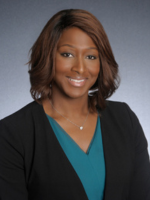 Brookshield Laurent, DO, is the founding executive director of the Delta Population Health Institute, the community-engagement arm of NYITCOM. She has advanced and integrated population health into the DO curriculum and is a 2018 fellow of AACOM’s Osteopathic Health Policy Fellowship. Laurent leads statewide, multisector initiatives and develops partnerships to advance health and well-being in the Delta region. Her partners include community-based organizations, community and economic development organizations, healthcare systems, academic institutions and private-sector organizations.
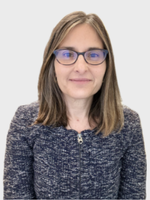 Sharon Casapulla, EdD, MPH, has 30 years of experience in a variety of educational settings and capacities, including teaching, professional development, curriculum development, educational research and program evaluation. Currently, she is the director of the Rural and Urban Scholars Pathways (RUSP) program in the Office of Rural and Underserved Programs at the Ohio University Heritage College of Osteopathic Medicine. Her research and service focus on partnerships with rural and urban communities locally in southeastern Ohio and internationally.
Spread the word!
Research offers medical students more than a path to publication. It can sharpen critical thinking, strengthen clinical decision-making and deepen connections with the communities they serve. Hear perspectives from across the osteopathic medical community on how research enriches physician training—and why its value extends well beyond the laboratory.
A question in the classroom or an observation during a clinical rotation could be the start of meaningful research. Explore practical ways osteopathic medical students can get involved, from finding a mentor to joining quality improvement projects, and discover how those experiences can build skills for a lifetime of patient-centered care.
Think research only happens in a lab? Think again! Research can start with a question during a clinical rotation—or a challenge in your community. For osteopathic medical students, research can build skills that go far beyond publication, from evaluating evidence to connecting with patients. Discover how curiosity can shape the physician you become.
You don’t need to have all the answers to get started with research. Finding a mentor, exploring a topic you care about or joining a quality improvement project can help turn curiosity into meaningful work. Explore practical advice and perspectives from the osteopathic medical community in a new story.