
The Women Who Walked Through Still's Door
Published September 08, 2026
Inside OME
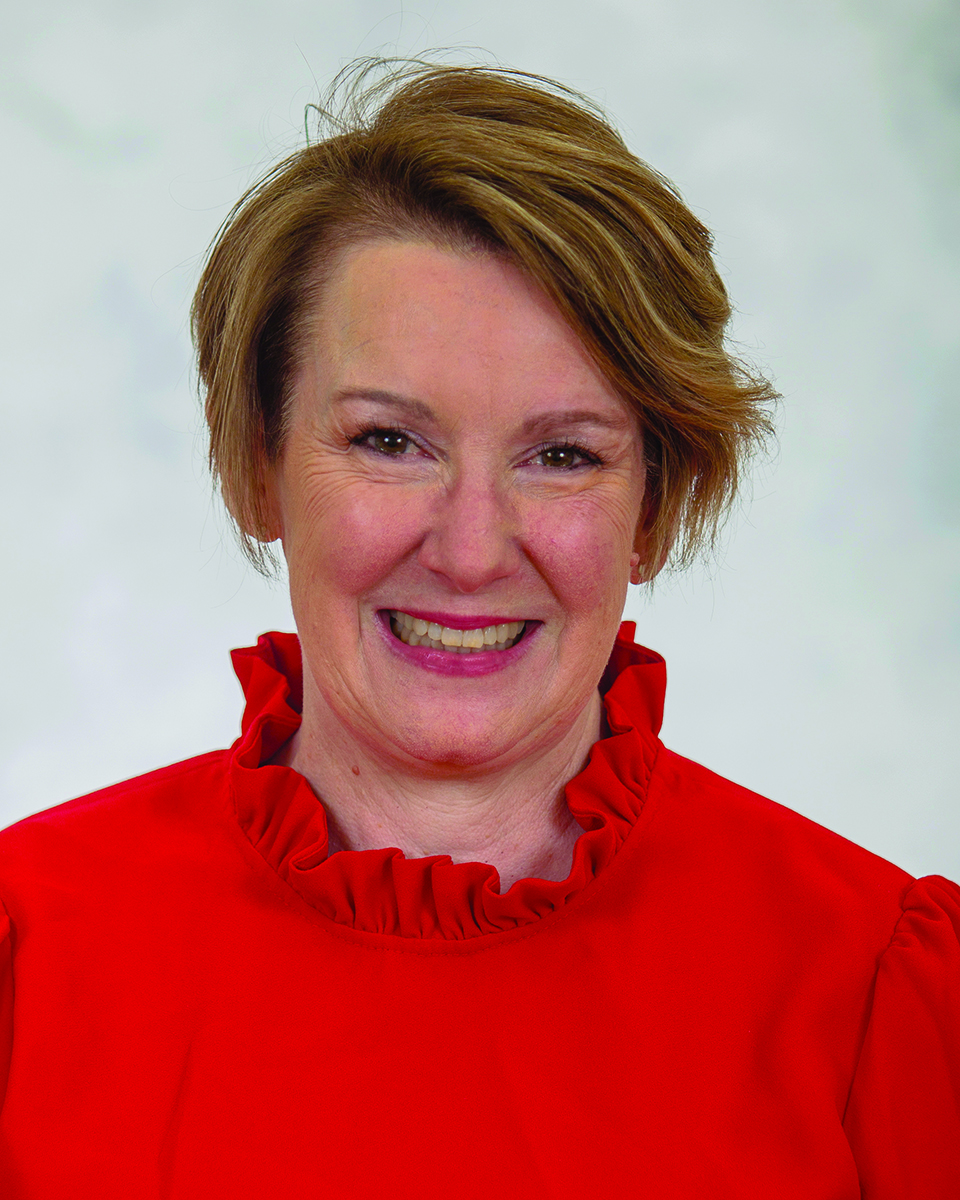
By Patricia Sexton, MS, DHEd, associate dean of medical education, professor, Department of Family Medicine, A.T. Still University - Kirksville College of Osteopathic Medicine
When Andrew Taylor Still opened the American School of Osteopathy (ASO) in Kirksville, Missouri, in 1892, he was doing more than establishing a new approach to healthcare. He was creating an educational community that challenged prevailing assumptions about who could become a physician. At a time when opportunities for women in higher education and medicine remained severely restricted, Dr. Still deliberately opened the doors of his new school to women.
The significance of that decision should not be underestimated. The ASO's inaugural class included six women alongside 15 men, and the school's early catalog explicitly stated that women would be admitted on the same terms as men: they would study the same subjects, attend the same lectures, follow the same rules and complete the same examinations.
Dr. Still's philosophy was reflected in both policy and practice. Women were not simply welcomed as students; they became educators, leaders, authors and advocates for the emerging osteopathic profession. One of the most notable was Jenette “Nettie” Hubbard Bolles, DO, 1894, a member of the first class. After witnessing her mother's improvement through osteopathic treatment, Bolles asked Dr. Still whether she could learn osteopathy. She went on to become the first woman to graduate from the ASO and subsequently served as an anatomy instructor and editor of the Journal of Osteopathy.
Other women similarly contributed to the growth of osteopathic medicine. Blanche Still, DO, Dr. Still's daughter and an early graduate, became involved in teaching and writing about osteopathy. By the late 1890s, women were so established within the profession that the Journal of Osteopathy created a dedicated section for “Women in Osteopathy,” inviting them to contribute their experiences and scholarship.
Early inclusion was particularly remarkable given the broader social context. Women in the United States would not gain the constitutional right to vote until 1920, more than 25 years later. In a visionary and inclusive move, Dr. Still had articulated an educational philosophy in which sex should not determine one's opportunity to study medicine consistent with a broader osteopathic emphasis on the inherent capacity and potential of the individual.
The story, however, is more nuanced than simply celebrating Dr. Still as a pioneer of equality. The women who entered osteopathic medicine were, themselves, agents of change. They did not simply benefit from an open door; they walked through it, helped build the profession, taught subsequent generations, established practices and schools, published and advocated for the legitimacy of women physicians. Their contributions helped shape osteopathic medicine from its formative years.
This history offers an important perspective for osteopathic medical education today. Women now constitute a substantial proportion, often a majority, of osteopathic medical students. The presence of women in osteopathic medicine is not a recent development nor an outcome of contemporary initiatives. It is part of our profession's DNA.
The legacy of A.T. Still and the pioneering women of the ASO invites us to consider inclusion not merely as access, but as engagement, contribution, leadership and belonging. More than 130 years ago, osteopathic medical education opened its doors to women. Today our responsibility as osteopathic medical educators is to ensure that those doors remain open, and that every student who enters has the opportunity to shape the future of the profession.