One Clerkship, Three Paths to Improving Health in Ohio
Published April 20, 2026
Research Stories Research Stories Report Page
The path to medical practice and serving communities is often described as a “calling.” That single entryway can offer innumerable opportunities when one asks, “how.” Some are drawn to shaping healthcare through advocacy, others to helping their communities age with dignity and meaning and still others to improving systems for better health outcomes.
At Ohio University Heritage College of Osteopathic Medicine (OU-HCOM), the commitment to improving health, expanding community-based training and practicing science-based care has cultivated a vibrant research culture that allows students to connect their personal interests with real-world opportunities for health.
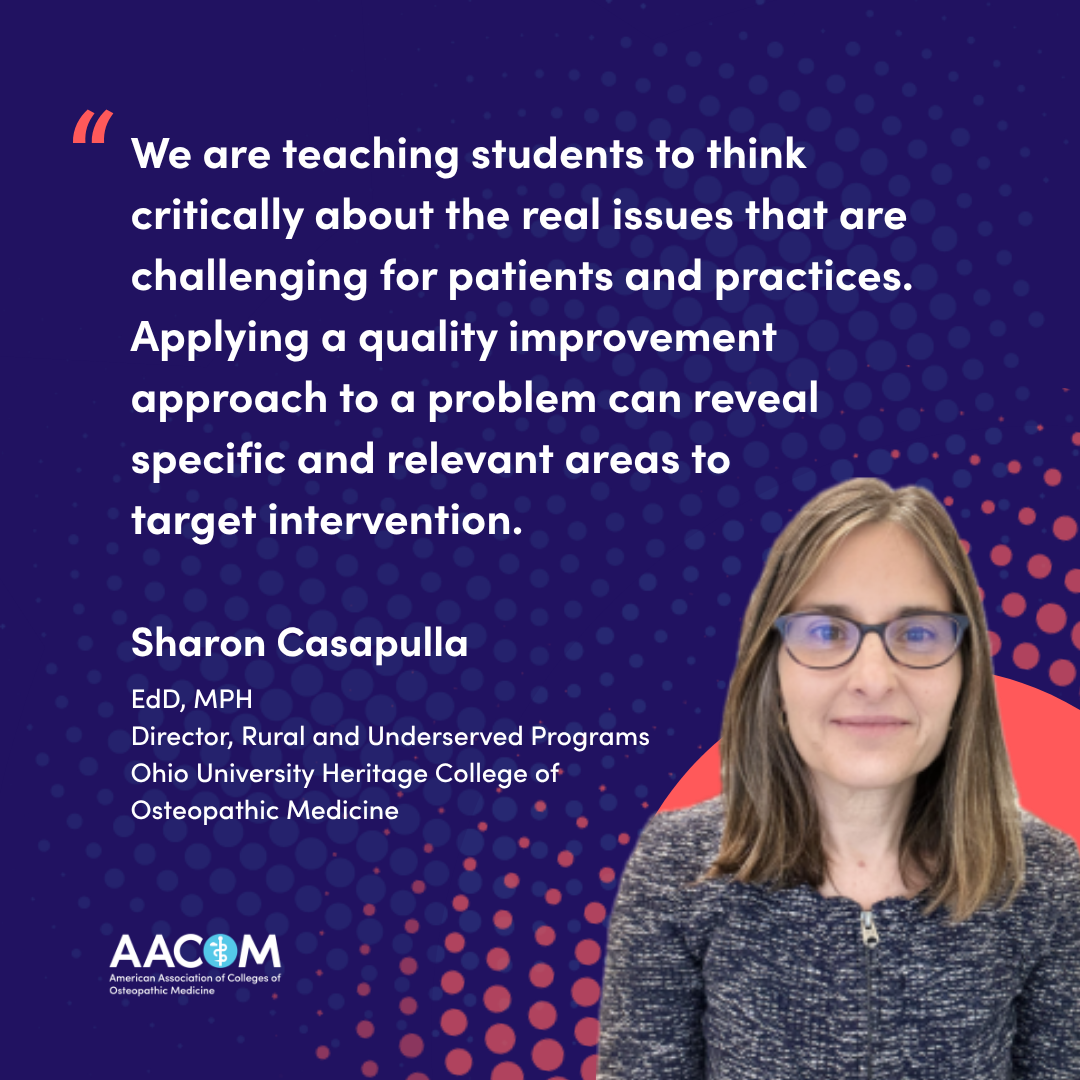
“Our medical students are both compassionate, caring future physicians and passionate advocates for health for their patients. Real meaningful change can happen in clinics and in communities when a systematic approach to thinking about access to care as well as health outcomes is applied,” said Sharon Casapulla, EdD, MPH, director, rural and underserved programs.

OU-HCOM's campus
Through her department’s Longitudinal Integrated Clerkship in Family Medicine, students become active leaders on projects that improve healthcare quality and address health inequities as they gain foundation research skills.
The clerkship uniquely allows third-year medical students to spend one month immersed in a family medicine clinic, followed by regular rotations at the same site throughout the year. During their rotations, students are encouraged to identify challenges and collaborate with healthcare teams to design and implement a quality improvement study that is directly tied to patient care and community needs.
"We are teaching students to think critically about the real issues that are challenging for patients and practices. Applying a quality improvement approach to a problem can reveal specific and relevant areas to target intervention. Testing those interventions will help physicians be efficient with their time and resources and develop effective solutions,” shared Dr. Casapulla.
Three students—Swetha, Jack, and Unique—share how this pathway empowered them to lead a research project, implement strategies designed to improve patient outcomes and connect their passions to research activities.
Intersection of Medicine, Research and Advocacy
Swetha Kareti was drawn to osteopathic medicine’s holistic philosophy and commitment to serving underserved communities, which paired well with her non-traditional background in political science prior to medical school. For Swetha, healthcare is political and helping her patients achieve their health goals means advocating for systems designed to support their health.
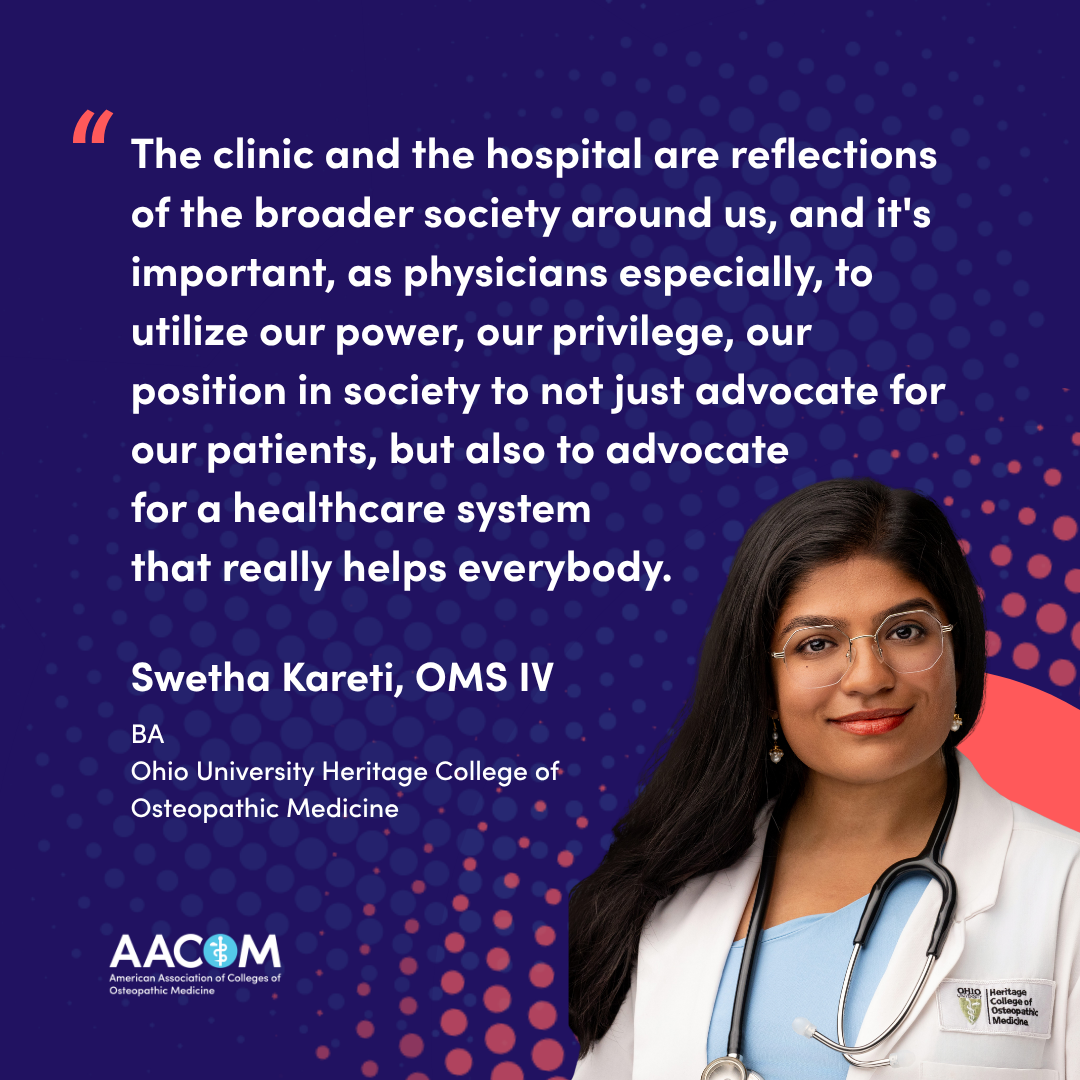
“Healthcare institutions are a reflection of our broader society and I believe that physicians should utilize our power, privilege and position to advocate for our patients and the changes necessary to make healthcare work for everybody,” she shared.
She found purpose working with Doctors on the Street (DOTS), a student-run primary healthcare service outreach organization caring for individuals experiencing homelessness. During her clerkship, it became the inspiration for her quality improvement study.
“DOTS helped me reconnect to my ‘why’,” she shared, reflecting on the opportunity to practice emergency medicine and meet patients, physically and emotionally, where they are to provide care and resources aligned with their needs. With a growing number of individuals experiencing homelessness, Swetha explained the urgent need for healthcare to adapt and address the unique needs these patients face, from shelter and hygiene to nutrition and mental health services.
Swetha wanted to understand how unhoused patients, who may be reluctant to seek care, engage with the healthcare system. She wondered about what barriers might be impacting their health, if lack of insurance was preventing her patients from accessing primary care and insight into her patients’ levels of health literacy.
Her research project sought to collect data around these areas through a short three-question survey: Do you have a doctor you can go to that is not in the emergency department? Do you see this doctor for a physical each year? Do you have insurance?
What she found challenged her to dig deeper. While many patients were insured and even had primary care providers, they still struggled to access preventive care.
“I think it lends a much more nuanced and complicated question,” Swetha shared. “My work at DOTS has really underscored that when patients experiencing homelessness try to access healthcare, it's because they are desperately seeking care. I understand why patients, especially from this background, can be extremely hesitant to access healthcare. It was definitely eye-opening to see how our systems and culture stigmatize this patient population and the ways that we need to work on that as a profession.”
For Swetha, this research opportunity provided her with necessary tools she can leverage to initiate new evidence-based strategies to help her patients access compassionate preventive health services.
She hopes to refine the referral process for DOTS patients to access more services, including more stable housing and reliable transportation, and expand her questionnaire with more social determinants of health screening to better pinpoint where she’ll be able to partner with her patients for increased outcomes and engagement.
The clerkship reinforced Swetha’s belief that research, advocacy and clinical care as part of a continuous cycle, one where evidence informs and improves both policy and practice.
As she builds a career rooted in service, evidence and advocacy, she looks forward to using all her tools— her voice, patient partnership and data—to help her community achieve better health and well-being.
Enhancing Preventive Care for Underserved Communities
For Jack Spero, medicine has always been about relationships—between physician and patient, clinic and community and evidence and care. As a Cleveland, Ohio, native, he knew early on that he wanted to train close to home and serve the people and places that shaped him.
His previous experience as medical scribe at a community-based primary care clinic serving underserved populations in Cleveland shaped his passion for family medicine and caring for his patients across their lifespans.
“OU-HCOM just fit what I was looking for: an opportunity to work with diverse populations in primary care. For me, family medicine is how I see myself helping people achieve their health goals and shaping that care with each patient’s background and experiences,” Jack shared.
At the federally qualified health center he served at during his clerkship, Jack worked closely with his mentor to understand the clinic’s most pressing needs and tie in his growing interest in infectious disease, particularly conditions that often intersect with social determinants of health. That collaboration led him to focus on latent tuberculosis (TB) infection among recently resettled refugee patients—a population the clinic served regularly.
“We really wanted to use data to improve the outcomes of the patients,” Jack shared about the project’s goals and learning from the patients to create a cyclical process for improvement.
His study consisted of a retrospective chart review for more than 160 recent refugees who screened positive for TB and analyzed different factors, like referral patterns, treatment initiation and follow-up visits, to understand how they might correlate with better health outcomes. Jack’s work demonstrated that patients with an assigned primary care provider were more likely to complete treatment, leading to a simple but impactful tactic the clinic could leverage to improve continuity of care.
To implement this plan within the clinic’s existing workflows, all patients with latent TB were automatically assigned a dedicated primary care provider to support them during treatment and recovery. In less than a year under this new plan, treatment completion rates for patients improved. A small, targeted evidence-based systematic change had a meaningful impact on patient outcomes, thanks to Jack’s efforts.
“That’s one of the beauties of quality improvement,” Jack said. “You can see results on the ground, fairly quickly and get to see if what you’re doing is helping patients.”
Jack shared how he sees quality improvement as essential for his future career in family medicine. As healthcare systems grow more complex, family physicians must be equipped not only to deliver care, but to improve the systems in which that care happens. “I wasn’t just seeing patients once and moving on. I was able to follow up, build relationships and understand how care actually unfolds over time. Quality improvement helps us provide better care, improve outcomes and build knowledge that benefits the whole profession,” Jack explained.
As Jack looks ahead to residency and beyond, this clerkship affirmed his passion for care and he looks forward to integrating quality improvement into his practice—wherever he trains.
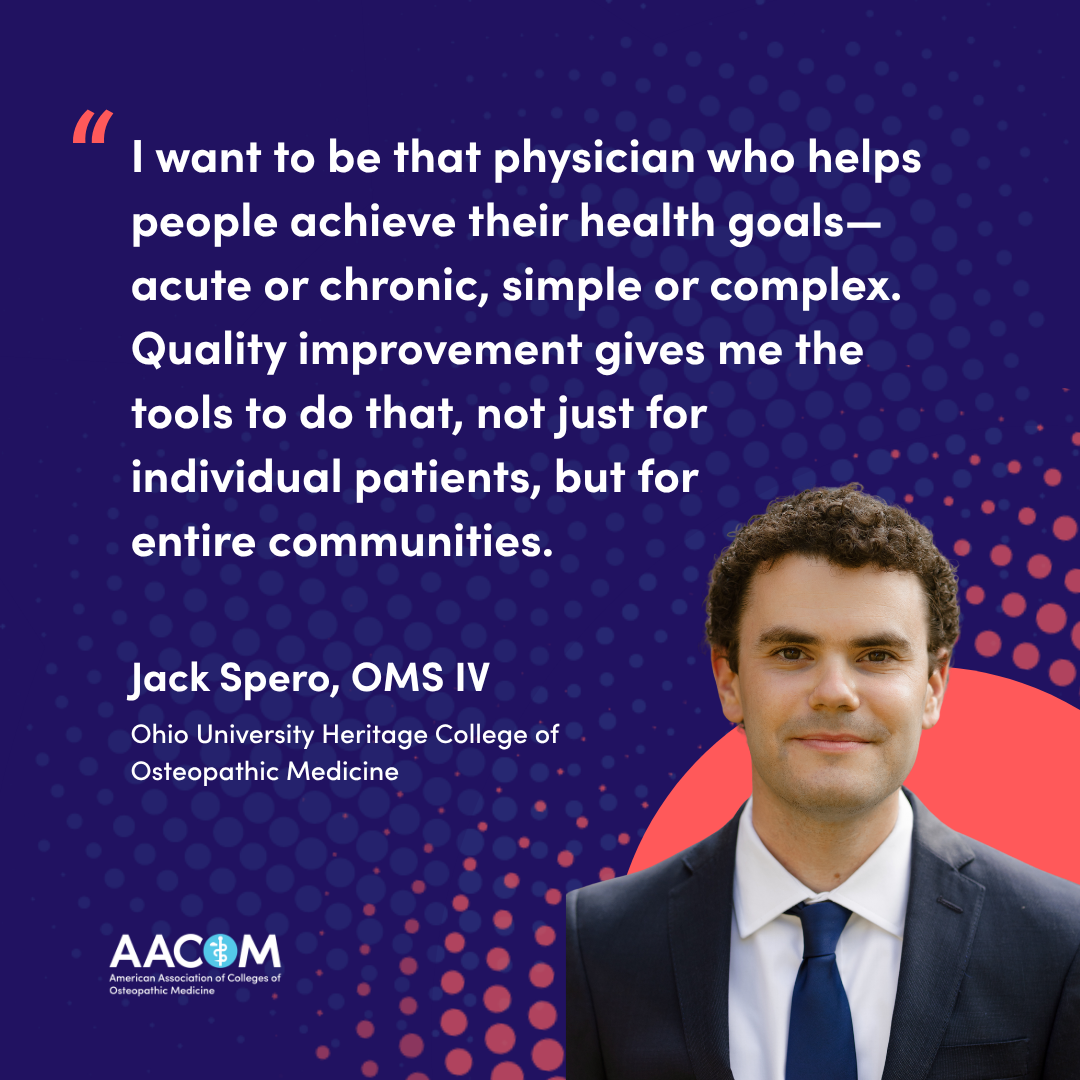
“I want to be that physician who helps people achieve their health goals—acute or chronic, simple or complex,” Jack said. “Quality improvement gives me the tools to do that, not just for individual patients, but for entire communities.”
Improving Systems to Help Communities Thrive
The practice of medicine is also a measure of curiosity and creativity for Unique Willis-Norris. Growing up in Cleveland, she never imagined that one day a medical school would become part of her community and give her the opportunity to improve health, right at home.
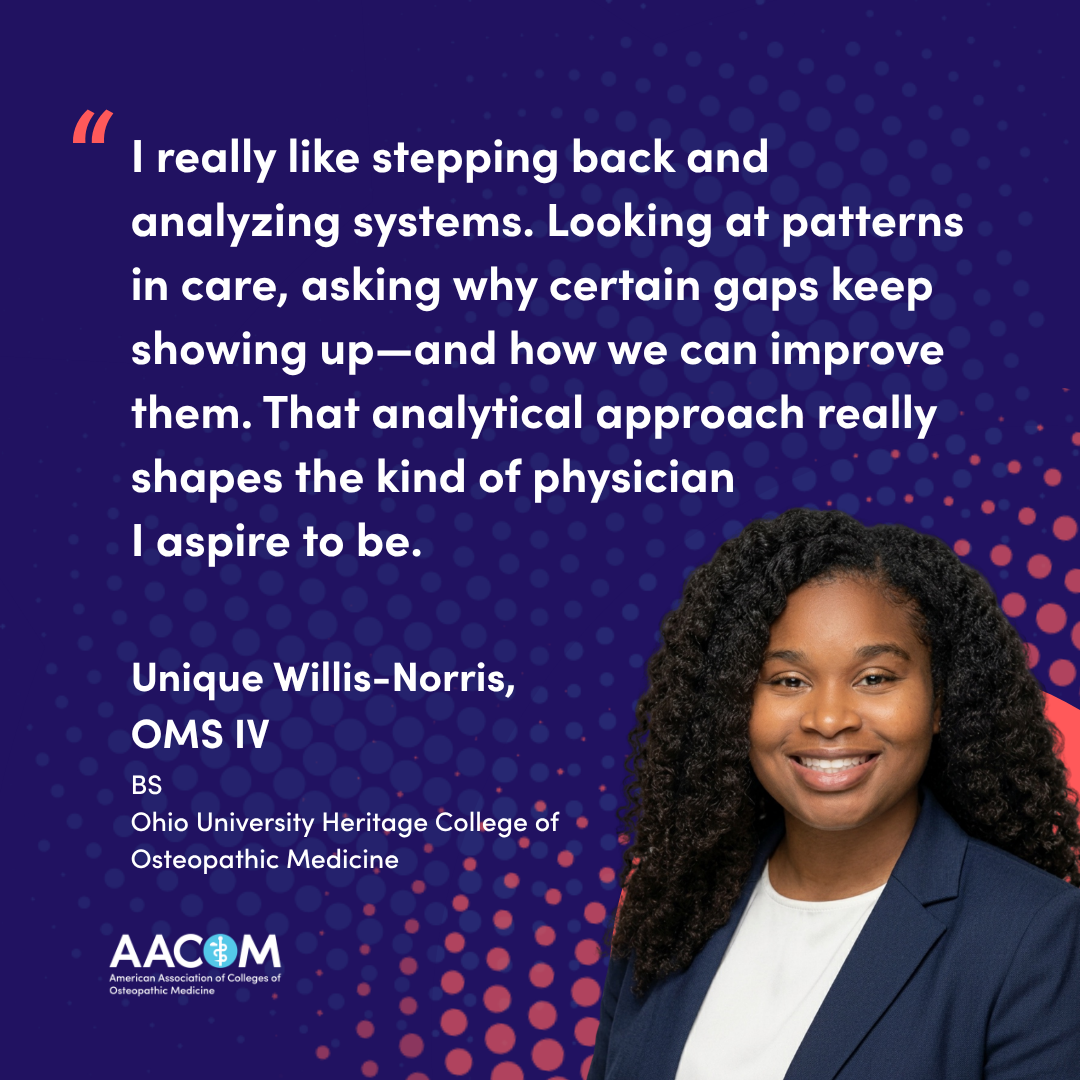
Unique’s natural inquisitiveness led her to seek deeper answers when treating her patients, as she looked for root causes of their issues and to understand the systems that shape their health. “I really like stepping back and analyzing systems,” she said. “Looking at patterns in care, asking why certain gaps keep showing up—and how we can improve them. That analytical approach really shapes the kind of physician I aspire to be.”
But it was through the clerkship that she was able to transform her inquisitive mindset into action. For her, that continuity of staying in one place for an extended period of time was transformative, allowing her to slow down and study the systems and structures around her patient’s health.
“As medical students, we often jump from location to location. [The clerkship] gave me the opportunity to see a population over a long period of time and have a continuous form of communication and interaction with them. I thought that was the experience of a lifetime, and I couldn't pass it up,” Unique shared.
Over time, patterns began to emerge for Unique, particularly the prevalence of chronic conditions like hypertension and diabetes along with challenges patients faced in managing them.
“I wanted to do something that was going to have the most meaningful effect, not only on the patient, but also on the population as a whole. Hypertension crosses all borders as far as specialties, and it affects a variety of generations, a variety of different groups. It's not just one small population that it is impacting,” Unique shared.
At the clinic, providers were prescribing medical interventions for patients with hypertension—but Unique noticed patients often stopped medications between visits, only to return months later with uncontrolled hypertension.
Rather than introducing a disruptive intervention, Unique intentionally designed a quality improvement plan that introduced early follow-up visits for patients starting blood pressure medication and built on existing electronic medical record workflows, making it easy to track outcomes without disrupting care.
“One thing I learned,” Unique reflected, “is that if you want to make a change, you should try to put the least amount of burden on the patient and the system. That’s how it sticks.”
The results were promising—while not every patient returned; those who did were more engaged, more informed and more likely to continue treatment. Just as importantly, this intervention reinforced trust—an essential component of preventive care. “If someone comes back, that tells me they care,” Unique said. “So why not meet them in the middle and say, ‘I care too. Let’s do this together.’”
As Unique looks to the future, she is striving for a career that allows her to continue her pursuit of research—whether through quality improvement, clinical research or system redesign. What excites her most is research that has practical, human impact—work that offers patients more options, more understanding and more hope.
By enhancing systems one question at a time, she is building a future in medicine that is thoughtful, adaptive and meaningful to impact the lives of the people she serves.
Physicians Bridging Innovation and Care
The OU-HCOM clerkship provides a framework for students that adapts to their passions and helps shape the type of physician they hope to become.
Reflecting on outcomes of the clerkship, Dr. Casapulla shared, "We hope that by experiencing the continuous and comprehensive nature of the specialty, the program will deepen students’ passion for family medicine. We hope that training in quality improvement will foster a critical thinking approach to practice improvement and patient health outcomes and instill a sense of self efficacy in applying these processes in their future practice.”
Swetha, Jack and Unique’s stories show just how research enriches medical education, fuels personal and professional growth and inspires students to become leaders in evidence-based practice.
Through real-world engagement, the Heritage COM empowers students to bridge the gap between clinical care and scientific inquiry and the chance to shape medical education around the patients and communities that are most important to them.
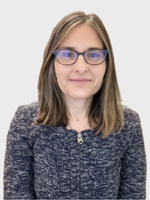 Sharon Casapulla, EdD, MPH, has 30 years of experience in a variety of educational settings and capacities including teaching, professional development, curriculum development, educational research and program evaluation. Currently, she is the director of the Rural and Urban Scholars Pathways (RUSP) program in the Office of Rural and Underserved Programs at the Ohio University Heritage College of Osteopathic Medicine. Her research and service include work in and with rural and urban communities locally in southeastern Ohio and internationally.
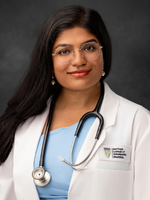 Swetha Kareti is a fourth-year osteopathic medical student passionate about using science and advocacy to improve health outcomes and alleviate health inequity.
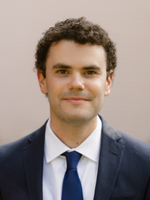 Jack Spero is a fourth-year medical student with a strong interest in family medicine, driven by a commitment to holistic, patient-centered care. He is passionate about addressing health disparities and aspires to provide accessible, compassionate care to all.
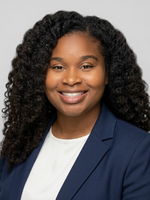 Unique Willis-Norris is a fourth-year medical student at the Ohio University Heritage College of Osteopathic Medicine in Cleveland with interests in clinical research, health systems improvements and community-centered care. Growing up in Cleveland shaped her commitment to improving health outcomes in the communities she serves. She is particularly interested in using data-driven approaches to identify patterns in patient care, improve chronic disease management and support more precise, evidence-based clinical decision making.
Spread the word!
- What does osteopathic medicine look like in action? At OU-HCOM, students are using research skills to improve access, strengthen systems and deliver compassionate care where it’s needed most. Check out a new story featuring three student perspectives on using research to improve care: Students at OU-HCOM are turning their curiosity into change through a hands-on research program.
- Students Swetha, Jack and Unique share their perspectives leading and implementing quality research projects to improve care for underserved populations: Newsletter
- "Applying a quality improvement approach to a problem can reveal specific and relevant areas to target intervention. Testing those interventions will help physicians be efficient with their time and resources and develop effective solutions,” said Sharon Casapulla, EdD, MPH. Hear three students share their perspectives in Dr. Casapulla’s longitudinal clerkship, where they implemented quality improvement projects to improve patient outcomes.
- By integrating research, advocacy and clinical care, OU-HCOM is preparing students to become physician‑leaders that drive meaningful, evidence-based changes in healthcare. Three students share their perspectives incorporating research skills into their medical practice through OU-HCOM’s Longitudinal Integrated Clerkship in Family Medicine program.